Hurricane Michael Reforestation: Realizing the Benefit of Carbon Markets
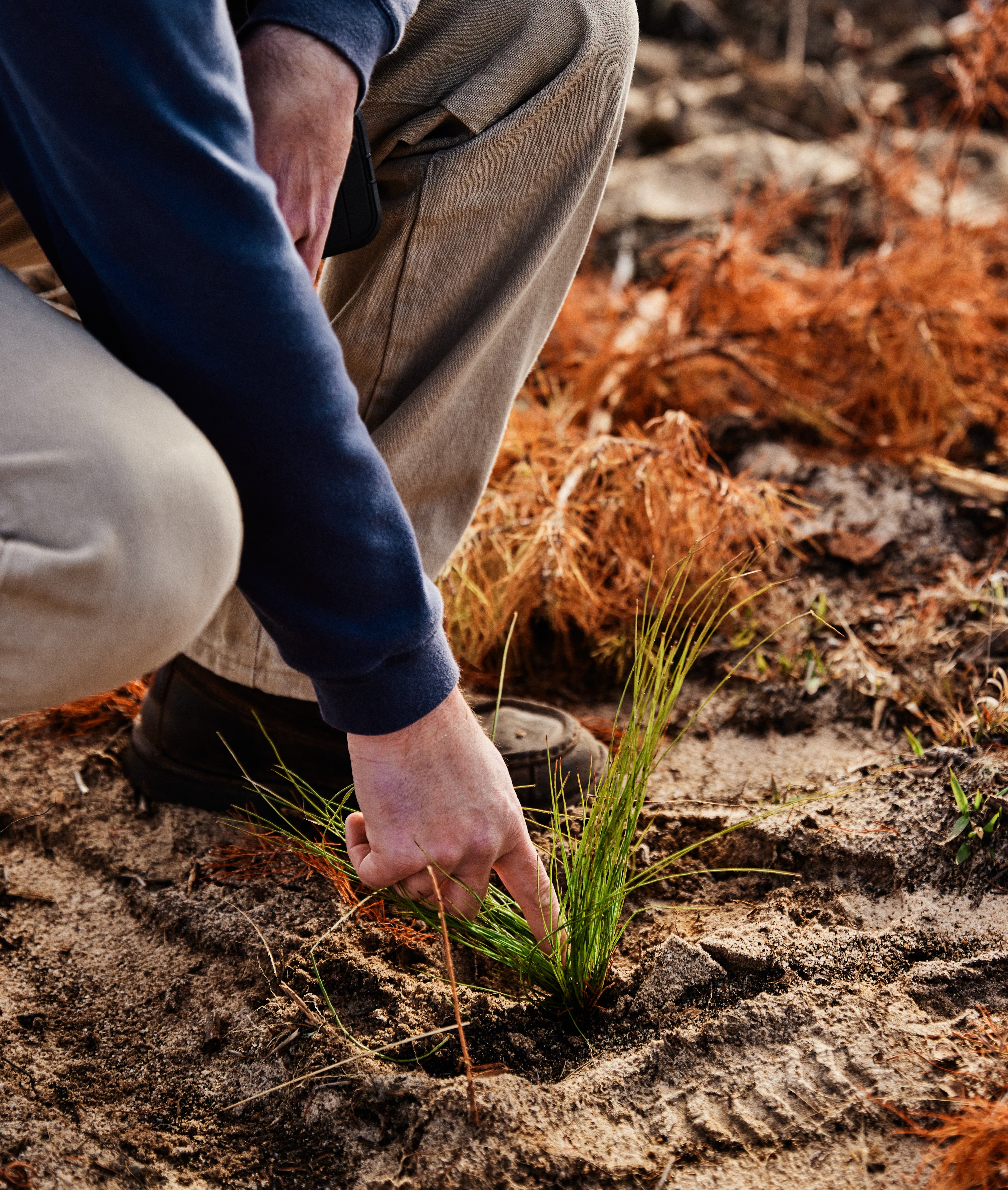
In October of 2018, Hurricane Michael made landfall near Panama City Beach in Northwest Florida. The category 5 storm, the worst since Hurricane Andrew in 1992, gradually passed into Georgia before dissipating. The initial storm surge reached heights of 9 - 14 feet. Winds of 161 mph caused widespread damage to both structures and natural landscapes throughout the Florida panhandle. Homes were lost, communities were left without power, and estimated damages were measured in billions of dollars. One of the communities heavily impacted by this storm were the small, non-industrial timberland owners, that are prevalent in northern Florida.
A large portion of Florida’s timber forests are located in the northwestern portion of the state that was most affected by Hurricane Michael. Much of this land is owned and operated by large timber companies but over half of the state’s working forests are owned and operated by small non-industrial landowners. These landowners typically manage small acreages with much smaller profit margins, including family businesses that have managed their forests for generations. Where larger industrial landowners may have been able to use existing capital to offset the storm damage, storms like Hurricane Michael can be financially devastating for smaller landowners.
Forest management is a cyclical process where much of the revenue generated by harvests is re-invested in reforestation work to prepare for future timber harvests. This is especially true for non-industrial landowners who don’t have a broader investment portfolio to fall back on. When the storm blew through, widespread wind damage forced landowners of all sizes to sell as much of the downed timber as they could. This helps to reduce future pest or fire risk and to capture some residual value from the lost timber. Unfortunately, because many vendors are flooding the market with salvaged timber, landowners are only able to get a fraction of the revenue they could otherwise expect. Many small landowners were left without the financial ability to replant, jeopardizing the future of their forests.
In 2023 The Climate Trust took decisive action by partnering with three small forestland owners whose lands were devastated by Hurricane Michael. Through this effort, TCT funded and planted more than 800,000 native pine seedlings. The associated carbon project consists of 1,341 acres of slash pine, loblolly pine, and longleaf pine forest. Verified by Climate Forward in January 2026 , the resulting carbon project has issued Forecast Mitigation Units (FMUs) that will generate revenue for additional reforestation work and lasting climate benefits. Where traditional carbon offsets are issued over the course of a decades long project, the ability to generate FMUs the year after planting allows project developers to quickly recover planting costs, incentivising investment in smaller, non-industrial landowners that may not be able to access the traditional carbon market.
Further Reading:
Read More
View All News
ICVCM Approves ACR Reforestation Methodology with CCP Label

Supporting Rural Economies Through Sustainable Land Management
Carbon Markets Help Plant the Forest of Tomorrow
Reclamation Reforestation
Exploring Reforestation Strategies for Success