Biochar Emerges as a Tool for Resilient Forest
Biochar is an ancient technology that has created significant excitement in carbon markets and could change the way we manage fire prone forests. Biochar is produced by burning organic material in a low oxygen environment, called pyrolysis. The indigenous peoples of the Amazon basin used this process to create highly productive, carbon-rich black soils 9000 years ago by burying smoldering forest debris. With the invention of specialized biochar burners, we can now manufacture high purity biochar while minimizing associated emissions. Wood, agricultural waste, and other byproducts of land management can be converted into a valuable non-forest product and redeployed to agricultural lands to improve water retention, reduce the need for fertilizers, and store carbon as a soil amendment. The Climate Trust is exploring opportunities to use biochar carbon projects to support land managers in the dry inland forests in the western United States.
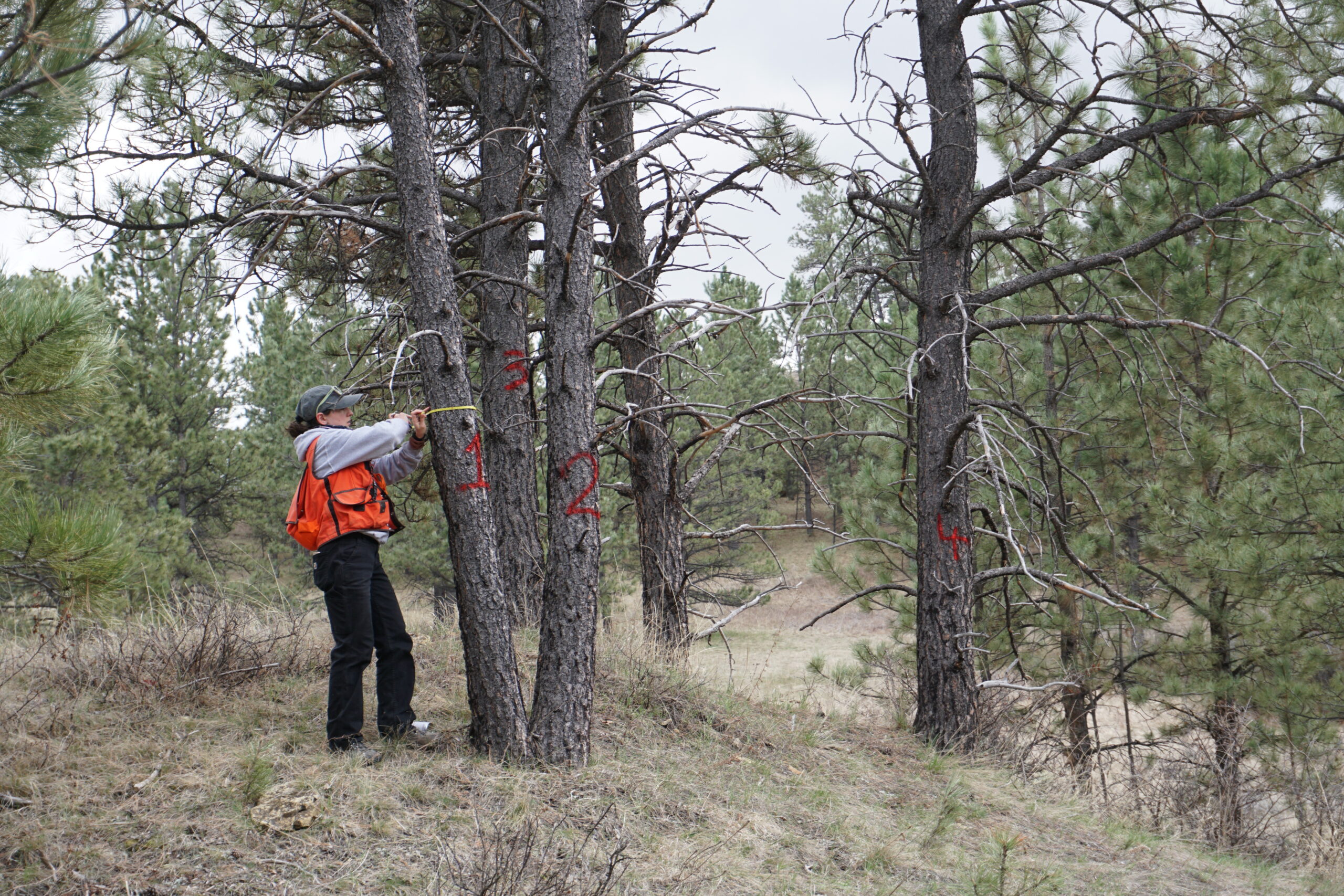
Dry US forests have a fuels problem. Historic fire suppression efforts have created conditions where fire prone forests have so much small diameter live and dead wood and leaf litter that a poorly timed lightning strike can result in a catastrophic fire. The US Forest Service and its state level counterparts have been working tirelessly to return forest fuels to natural levels and restore native fires regimes through thinning and controlled burns. However, these treatments are expensive and run the risk of starting wildfires if things go wrong. The need for fuel reduction treatments is much greater than the available funding and capacity to implement them.
Biochar production has the potential to address both the costs and the risks associated with traditional fuel reduction approaches. Biochar reduces the costs associated with fuel reduction by providing a highly valued forest byproduct using material that would otherwise be left on site. Pre-commercial thinning is a common fuel reduction treatment that is expensive, creates a large amount of woody debris, and generates no revenue. When pre-commercial thinning is combined with biochar production, the resulting fuel load is further reduced and the costs of implementation can be offset by carbon credit and biochar sales. This reduces the cost of implementing fuel reduction treatments and can allow landowners to better manage their forests. Biochar production reduces the risk of accidental wildfire by using either a partially or fully enclosed kiln, furnace, or curtain burner. Where pile or broadcast burning is heavily reliant on weather and wind patterns, biochar burners are designed to minimize smoke, ash, and ember emissions into the environment, significantly reducing the risk of fire.
Despite the many benefits of biochar, high efficiency production operations are still uncommon. The landowners and timber producers that stand to benefit from biochar production are often poorly placed to be biochar vendors, and few are able to justify the needed investment in the burners required to produce biochar without some guarantee that they will recover the costs. The Climate Trust is exploring ways to support investment in biochar production through carbon crediting. By improving access to biochar production facilities, we hope to support regional efforts to reduce the risk of catastrophic fire.
Further Reading: