Grasslands Under Pressure: Surviving an Age of Drought
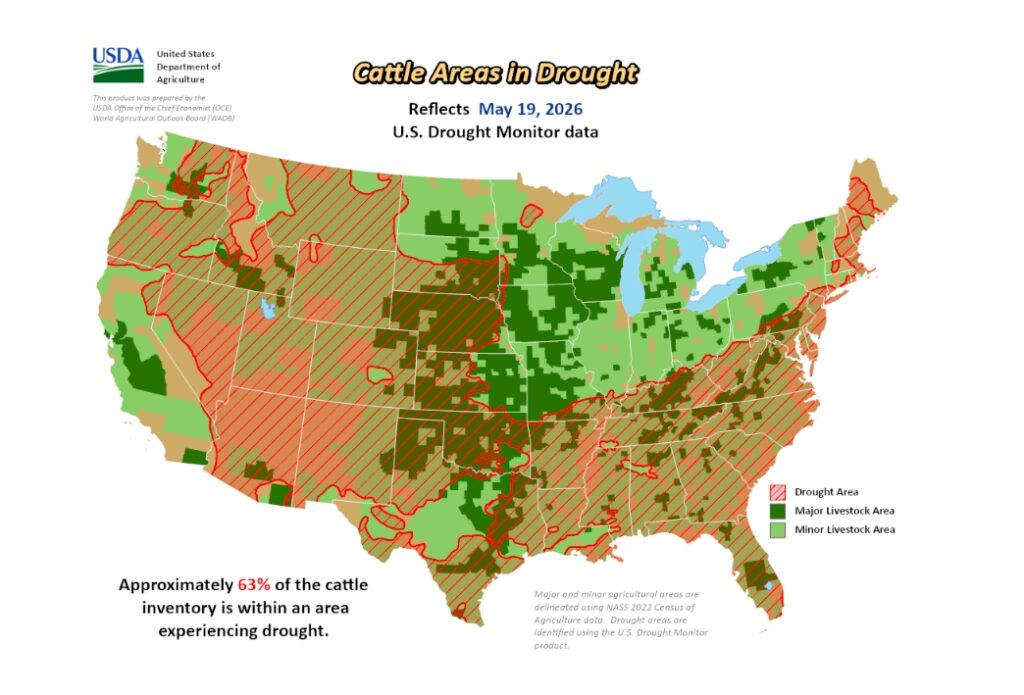
As the American West shatters heat, drought, and wildfire records, rural communities are caught in the crossfire. Recent data shows that about 60% of the U.S. and 27% of Canada are experiencing some level of drought. As of March 2026, every major river basin and state in the Western U.S. faced snow drought. Without melting snow to replenish reservoirs and water systems, the risk of water shortages rises. The ongoing drought has already contributed to shallow groundwater levels, reduced surface water levels, and triggered an early wildfire season. A NOAA study found that since 2000, rising surface temperatures and high evaporative demand have contributed more to drought severity and coverage than precipitation deficit. This shift has meant that even in years of normal precipitation, drought remains a threat. As human- caused global warming continues to impact the planet, the drought conditions are likely to worsen. In years like this, with record-low precipitation and record-high temperatures, risks to ecosystems, water supplies, and agriculture increase. With roughly 63% of the national cattle inventory in drought-affected areas, ranchers may have to sell off more of their herds, creating financial instability for years to come. These factors make it increasingly difficult for ranchers to feed and water their cattle, driving up U.S. beef prices.
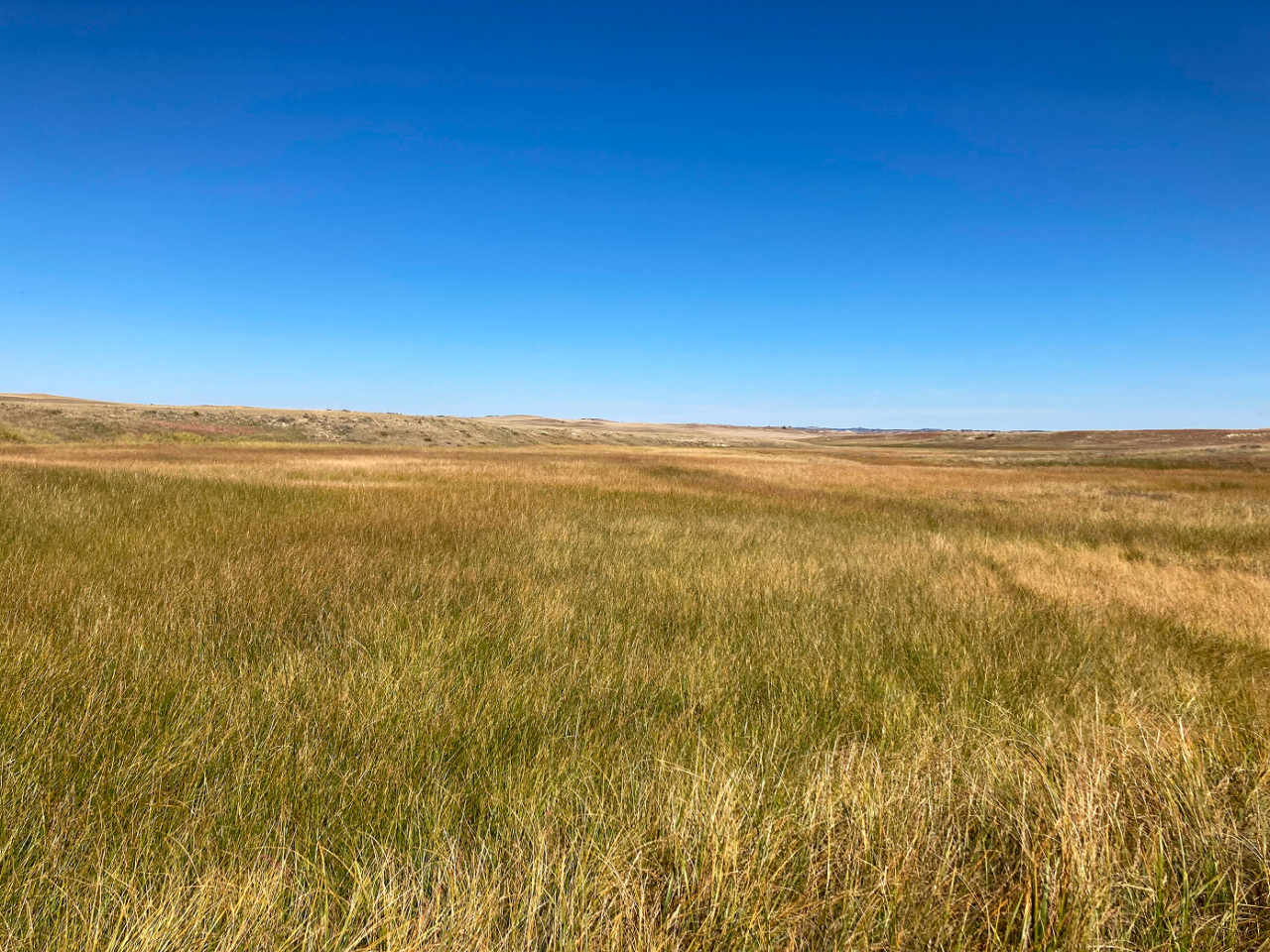
Investing in grasslands as a natural climate solution is among the most cost-effective ways to help mitigate drought risks across North America, while supporting the rural communities impacted the most. Grasslands capture, store, and filter water through their deep roots, helping maintain soil moisture levels, recharge groundwater, and slow evaporation. The age of a grassland significantly impacts its drought resilience and resistance. Older grasslands with deep roots may support groundwater replenishment through improved infiltration. The established deep root system provides plants access to the deeply stored water. Soil microbial communities in older grassland may also enhance drought resilience, with community changes over time boosting the plants’ ability to withstand drought.
The Climate Trust’s Grassland Program supports land managers by providing financial support for conservation efforts that permanently prevent the conversion or alteration of long-standing grasslands, building climate resilience and supporting the ecosystem services native prairies provide. To learn more or support these high-quality grassland carbon projects, please reach out to TCT's Program Manager, Travis Croft at tcroft@climatetrust.org.
Read More
View All News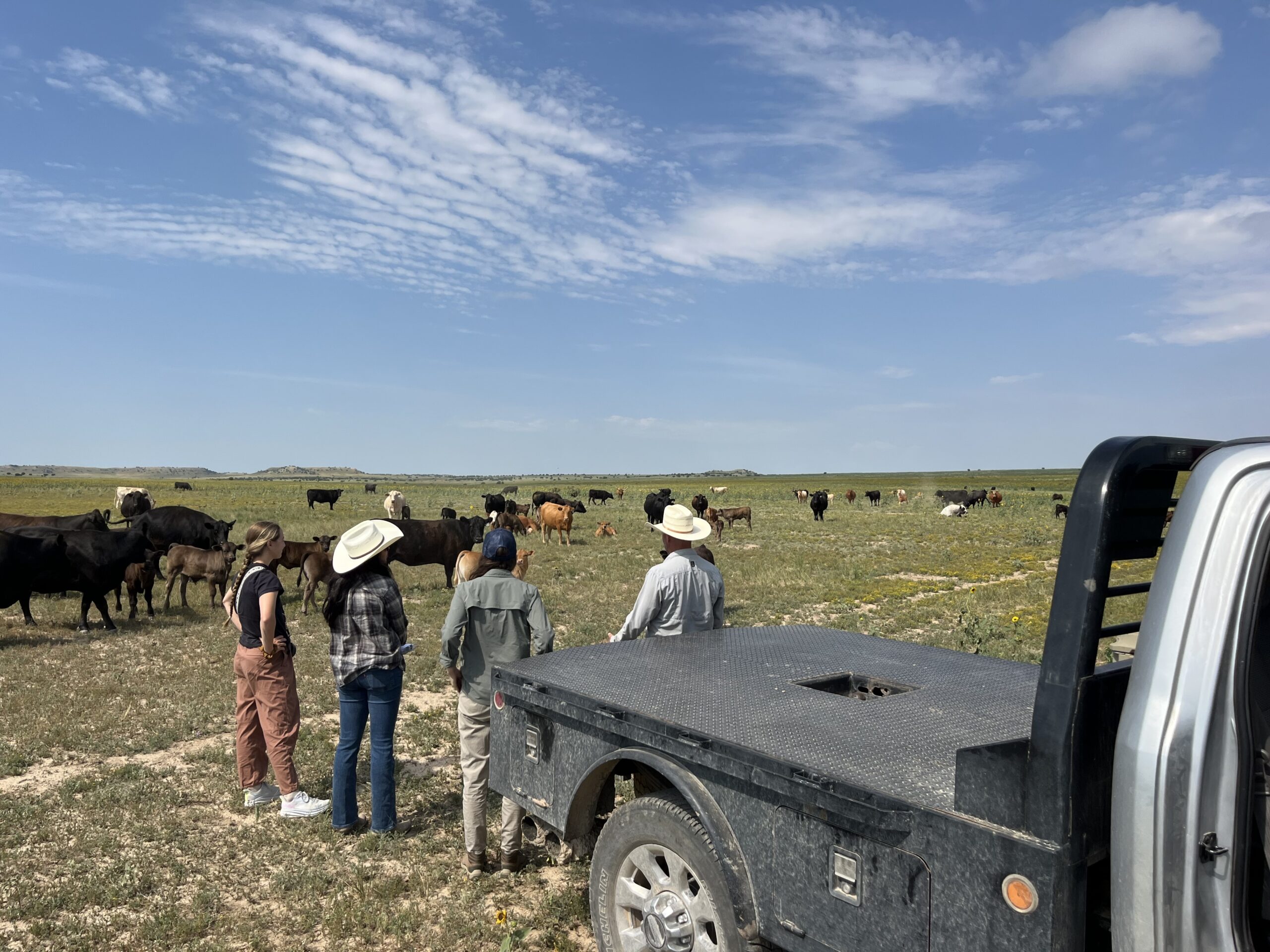
TCT's 2025 Annual Report Released
Hood River Tree Farm Project Issues CCP Labeled Offsets

SBTi Publishes New Corporate Net-Zero Standard Amping Carbon Credit Use
Biochar Emerges as a Tool for Resilient Forest

The Climate Trust Welcomes 3rd Hazel M. Johnson Fellow
From A Bird’s Eye View: Visualizing Additionality using Satellite Imagery

The Public Data and Models Supporting Improved Forest Management
California Safe Harbor Bill (AB 1911)